For centuries, art has represented culture, creativity and human expression. Today, however, it has also become an increasingly important component of global investment strategies.
Wealthy individuals, family offices and institutional investors are looking at art not only as a passion but also as an alternative asset capable of diversifying portfolios and preserving value over time.
One of the biggest transformations in the international art market is the growing influence of Asian collectors, whose purchasing power and interest in contemporary and historical artworks are reshaping the industry.
Countries such as China, Singapore, Japan, South Korea and India are becoming increasingly important centers for art investment and cultural exchange.
Table of Contents
Why art is considered an alternative investment
Unlike traditional financial assets such as stocks and bonds, art represents a tangible asset with unique characteristics.
Investors are attracted to art because it can offer:
- Portfolio diversification
- Protection against market volatility
- Long-term value preservation
- Cultural and emotional benefits
- Access to exclusive markets
Each artwork is unique, meaning its value is influenced by factors such as:
- Artist reputation
- Historical importance
- Rarity
- Market demand
- Provenance
For wealthy investors, art can become part of a broader strategy that includes real estate, private equity and other alternative investments.
The rise of Asian collectors
The expansion of private wealth in Asia has dramatically changed the global art landscape.
Over the last decades, the region has experienced significant economic growth, creating a new generation of collectors interested in acquiring prestigious artworks.
Asian collectors are increasingly investing in:
- Contemporary art
- Modern masterpieces
- Asian heritage works
- Digital art
- Emerging artists
Their influence has transformed major international auctions and increased demand for artists from different regions.
Singapore as a growing art investment hub
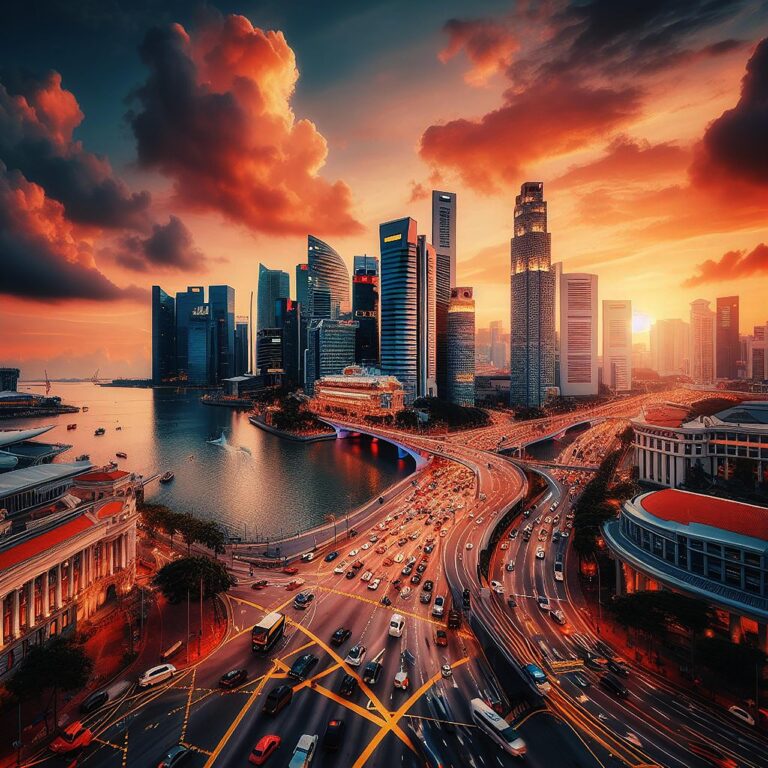
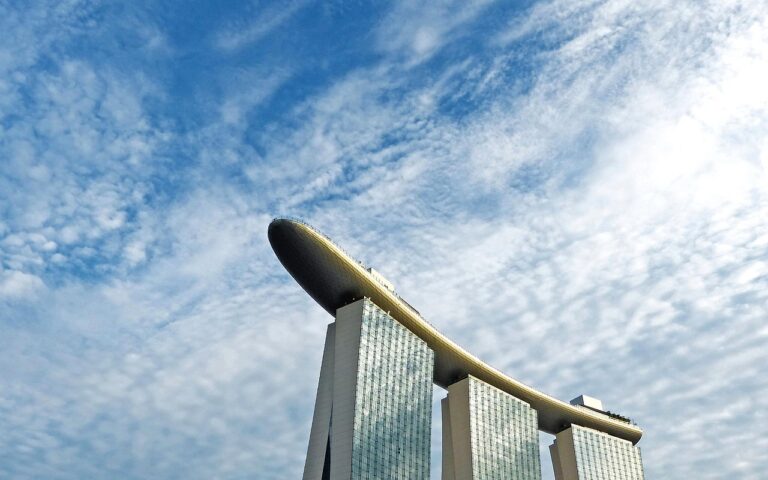
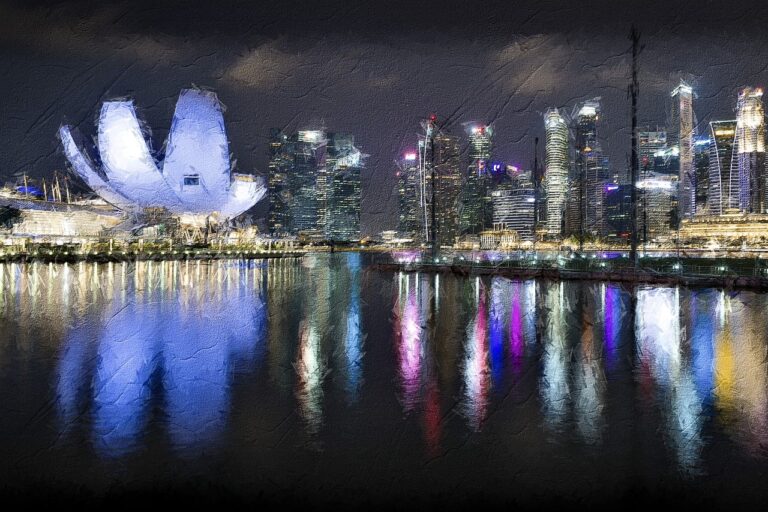
Among Asian financial centers, Singapore is emerging as an important destination for collectors, galleries and investors.
The city-state combines:
- A strong financial ecosystem
- International connectivity
- Wealth management expertise
- Cultural diversity
- Growing interest in contemporary art
Singapore’s role as a global wealth center makes it a natural location for art investors and family offices looking to diversify their assets.
The development of museums, galleries and international art events has strengthened the city’s position in the global art ecosystem.
The connection between family offices and art collecting
The growth of family offices in Asia has contributed significantly to the expansion of art investment.
Many wealthy families include artworks within their broader wealth management strategies because art can provide:
- Long-term asset preservation
- Cultural legacy
- Intergenerational value
- Portfolio diversification
For some families, collecting art is not only an investment decision but also a way to create a lasting legacy.
Future generations can inherit collections that combine financial value with historical and cultural significance.
Contemporary art attracts younger investors
A major trend in the art market is the increasing interest in contemporary artists.
Younger wealthy investors are often attracted to:
- Emerging creators
- New artistic movements
- Digital innovation
- Global cultural trends
Unlike traditional collectors focused mainly on established masters, younger generations are exploring new opportunities in evolving markets.
This shift is creating demand for artists who represent changing social, technological and cultural perspectives.
Technology transforms the art market
Digital innovation is changing the way collectors discover, buy and manage artworks.
Technology is influencing the sector through:
- Online auctions
- Digital galleries
- Blockchain certification
- Artificial intelligence analysis
- Virtual exhibitions
Blockchain technology, in particular, has introduced new possibilities for verifying ownership and authenticity.
Digital platforms have also made the art market more accessible to international investors.
Art and luxury: a powerful combination
The relationship between art and luxury has become increasingly strong.
Luxury brands are collaborating with artists to create:
- Exclusive collections
- Cultural events
- Limited editions
- Immersive experiences
These partnerships allow brands to strengthen their identity while connecting with sophisticated consumers.
For wealthy individuals, art has become part of a broader luxury lifestyle that includes fashion, real estate, travel and fine experiences.
Sustainability and changing collector preferences
Modern collectors are also becoming more interested in social and environmental issues.
Some investors are considering:
- Artists focused on sustainability
- Ethical collecting practices
- Cultural preservation
- Responsible exhibitions
The future of art investment will increasingly reflect broader changes in consumer values.
Risks and challenges of investing in art
Despite its potential advantages, art investment also involves risks.
The value of artworks can be influenced by:
- Market trends
- Changing tastes
- Artist reputation
- Economic conditions
- Authentication issues
Unlike financial markets, art is less liquid, meaning selling an artwork quickly may not always be possible.
Successful collectors often rely on expert advice, market knowledge and long-term perspectives.
The future of the global art market
The influence of Asian collectors is expected to continue growing as wealth expands across the region.
Cities such as Singapore are becoming increasingly important bridges between international finance and cultural investment.
Art is evolving from a passion-driven market into a sophisticated asset class considered by investors worldwide.
For wealthy individuals and family offices, collecting art represents a unique opportunity to combine financial strategy, cultural heritage and personal expression.
The future of the art market will belong to those who understand that artworks are not only objects of beauty — they are also valuable components of global wealth management.