
The global luxury economy has become one of the most resilient sectors in the international business landscape. Despite inflation, geopolitical uncertainty and changing consumer habits, luxury brands continue to attract customers seeking exclusivity, quality and unique experiences.
From high-end fashion and luxury watches to premium automobiles, real estate and hospitality, the luxury sector has evolved into a global ecosystem that goes far beyond traditional products.
Today, luxury represents not only a symbol of status but also a form of investment, personal identity and lifestyle choice.
The ability of premium brands to adapt to new consumer expectations has allowed the industry to maintain strong growth, particularly in key markets such as Asia, the Middle East and the United States.
Table of Contents
The rise of the new luxury consumer
One of the main factors driving the expansion of the luxury market is the transformation of the global consumer base.
The modern luxury customer is younger, more international and increasingly interested in experiences rather than only physical products.
The new generation of affluent consumers values:
- Exclusivity and personalization
- Sustainable production
- Brand heritage
- Unique experiences
- Digital innovation
Millennials and Generation Z are becoming increasingly important for luxury companies, influencing how brands communicate, sell and create relationships with customers.
For these consumers, luxury is not simply about owning expensive products but about belonging to a global community and expressing individual identity.
Asia: the new engine of luxury growth
Asia has become one of the most important growth drivers for the luxury industry.
Countries such as China, Singapore, South Korea and India are experiencing significant growth in wealthy consumers, creating new opportunities for premium brands.
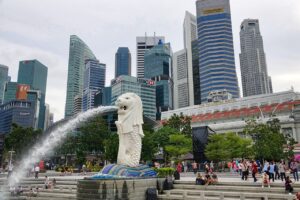
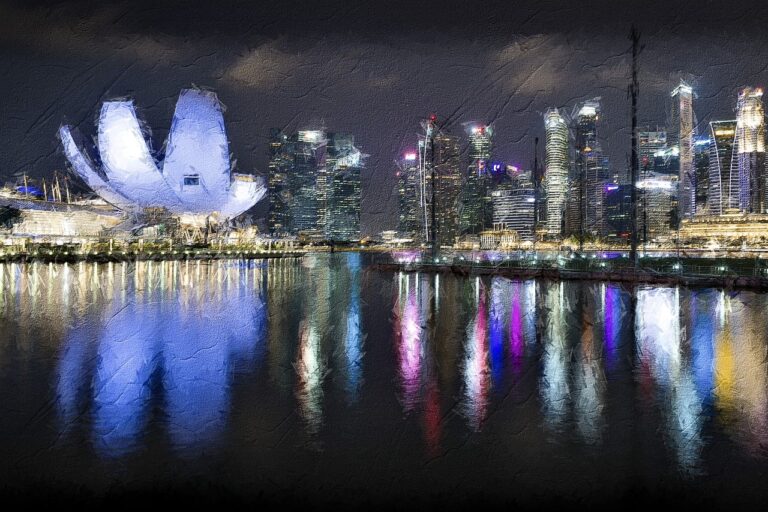
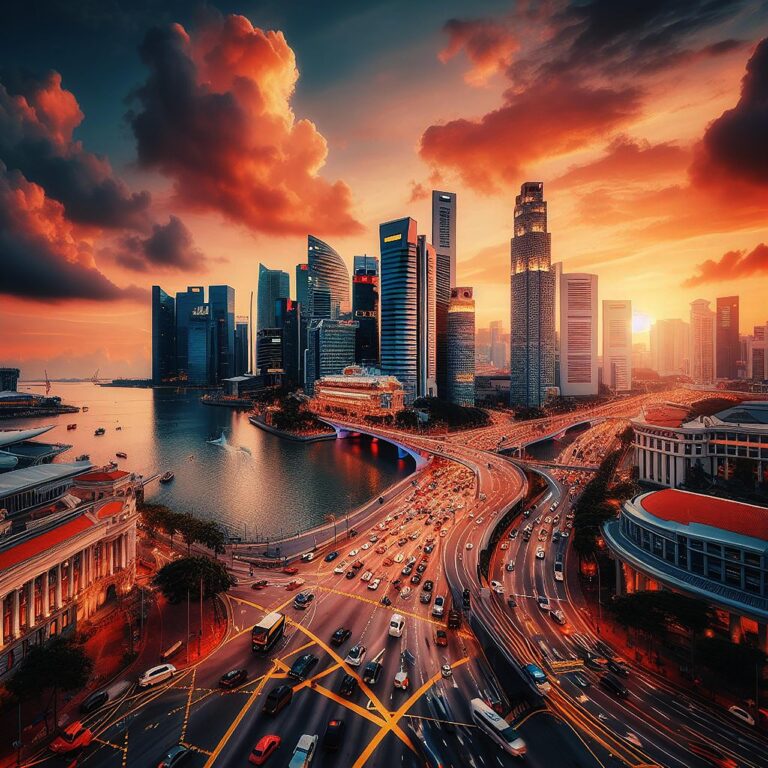
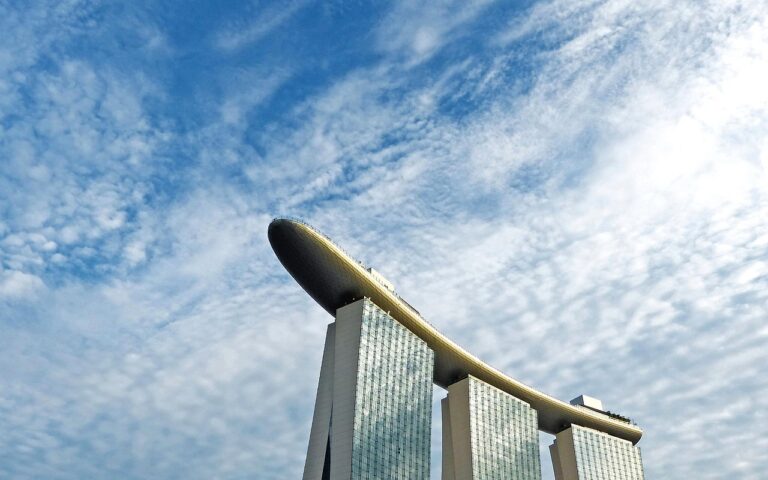
Singapore, in particular, has strengthened its position as a luxury hub thanks to its role as a financial center and international destination for high-net-worth individuals.
Luxury brands are increasingly focusing on Asian markets because of:
- Rising disposable income
- Growing middle and upper classes
- Strong demand for premium products
- Increasing interest in luxury experiences
The Asian consumer is now a central figure in the future development of the global luxury economy.
Luxury is expanding beyond fashion
Although fashion remains one of the most recognizable segments of luxury, the industry has expanded into several other areas.
Today, luxury includes:
Luxury real estate
High-end properties have become an important asset class for wealthy investors. Prime locations in cities such as London, Dubai, New York and Singapore attract international buyers looking for exclusivity and long-term value.
Luxury hospitality
Exclusive resorts, private travel experiences and personalized services are growing rapidly as affluent consumers prioritize unforgettable experiences.
Luxury automobiles
Premium automotive brands continue to attract customers through innovation, craftsmanship and advanced technology, particularly in the transition toward electric mobility.
Fine art and collectibles
Luxury consumers are increasingly viewing art, watches and rare collectibles as alternative investments capable of preserving value over time.
Digital transformation and the future of luxury
The luxury industry has undergone a major digital transformation.
For many years, premium brands relied primarily on physical stores and exclusive boutiques. Today, digital channels have become essential tools for reaching global customers.
Luxury companies are investing in:
- E-commerce platforms
- Artificial intelligence
- Virtual experiences
- Digital marketing strategies
- Personalized customer journeys
Artificial intelligence is helping brands analyze consumer preferences and create more customized experiences, while digital platforms allow luxury companies to connect with international audiences.
However, exclusivity remains a fundamental element. The challenge for luxury brands is balancing digital accessibility with the sense of rarity that defines premium products.
Sustainability becomes a pillar of luxury
Environmental responsibility has become increasingly important in the luxury sector.
Modern consumers expect brands to demonstrate commitment to sustainability, ethical production and transparency.
Luxury companies are responding by investing in:
- Sustainable materials
- Circular economy models
- Responsible supply chains
- Carbon reduction strategies
Sustainability is no longer viewed as a marketing option but as a strategic element of long-term brand value.
The importance of heritage and brand reputation
One of the greatest strengths of luxury companies is their ability to build lasting emotional connections with consumers.
The most successful brands combine innovation with heritage, creating products that represent craftsmanship, history and cultural identity.
Brand reputation remains one of the most valuable assets in the luxury industry because consumers are not only buying a product — they are investing in a story, a tradition and a symbol of excellence.
The future of the global luxury economy
The future of the luxury market will be shaped by innovation, personalization and international expansion.
Emerging markets, technological development and changing consumer expectations will continue to redefine the sector.
Luxury brands that successfully combine tradition with innovation will remain competitive in a rapidly evolving global environment.
As wealth continues to grow worldwide, the luxury economy will remain a powerful force, representing not only consumption but also investment, creativity and global cultural influence.