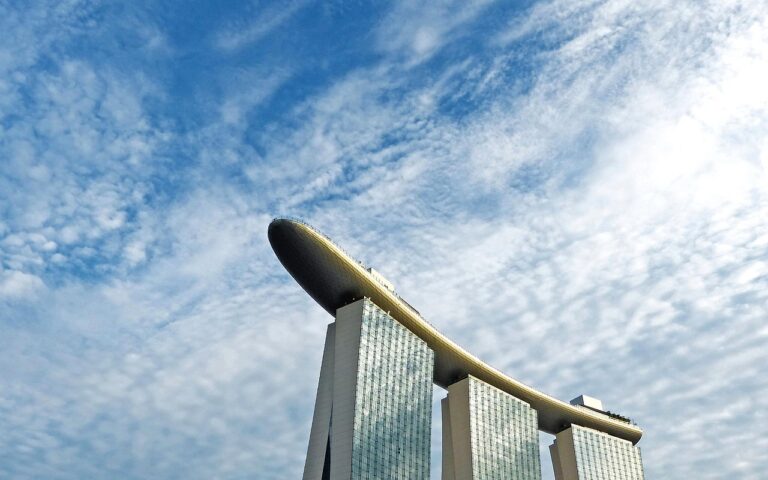
From October 5, trading higher-priced stocks on the Singapore Exchange (SGX) will become more accessible for retail investors. The exchange is set to lower the minimum trading sizes for 11 stocks priced above $10, allowing purchases in smaller quantities. This move aims to reduce investment barriers and potentially broaden market participation.
Table of Contents
New Trading Framework
Under the revised framework, stocks priced between $10 and $100 will see their minimum trading lot reduced from 100 shares to just 10 shares. For stocks priced above $100, the minimum trading size will be reduced to one share. This initiative includes major players like DBS, OCBC, and UOB, which are among the 11 stocks making up 35% of trading activity on the SGX in the first half of 2026.
This change aligns with SGX’s strategy to simplify trading and attract more retail investors. By lowering the financial commitment required to invest in such stocks, the SGX hopes to offer more flexibility for investors managing limited budgets. An example is DBS Group, where a full lot currently costs $6,910. With the new rules, an investor can purchase a lot of 10 DBS shares for $691, freeing up funds for other investments.
Market Stability and Accessibility
The SGX has ensured that smaller trading sizes will be maintained even if share prices fall below the designated thresholds. This approach prevents the formation of odd lots, which can complicate trading. Adeline Gao, a research analyst at FSM Global, highlighted that this consistency provides investors with clarity and avoids unnecessary complexities in trading systems.
The initiative is designed to be future-proof, addressing potential market developments where new high-priced companies might list on the SGX. While no stocks currently trade above $100, the framework anticipates future scenarios, ensuring that investors can still engage with these securities in manageable quantities.
SGX will review the list of eligible stocks quarterly, potentially including more instruments that meet the criteria. This ongoing assessment will consider financial instruments based on their daily closing prices and could lead to further reductions in trading lot sizes.
Trading Costs and Odd Lots
Despite the smaller lot sizes, brokerage fees and other transaction costs remain unchanged. Investors should be mindful of these costs, particularly as they relate to the size of their trades. Chawla Vikramjit Singh from Phillip Securities noted that smaller orders might face higher relative transaction costs due to fixed trading fees.
The reduction in minimum lot sizes helps address the issue of odd lots, which are shares falling short of a standard board lot. These will now become standard board lots, simplifying the process for investors. However, transactions involving odd lots can still occur through the SGX Unit Share Market, where liquidity and pricing might differ.
While reducing the minimum trading size to one share could eliminate odd lots entirely, it might not be beneficial for all investors. Lowering the board lot size for stocks trading below $10 would not significantly enhance accessibility and could increase transaction costs for smaller trades.
Why it matters
This initiative by the SGX is significant for Singapore’s financial market, as it aims to democratize access to higher-priced stocks. By lowering the entry barriers, the SGX hopes to attract a more diverse group of retail investors, fostering greater market participation. This move aligns with broader efforts to enhance liquidity and ensure that the Singaporean stock market remains competitive and appealing to both local and international investors.
What to watch next
Market participants should monitor the quarterly reviews conducted by SGX, which may introduce additional stocks eligible for smaller lot sizes. Investors should also pay attention to any adjustments in brokerage fee structures, as these could impact the overall cost-effectiveness of trading in smaller quantities. As the SGX continues to adapt its strategies, the effects on market dynamics and investor behavior will be crucial to observe.