
The rise of artificial intelligence is radically transforming the way we work and how we understand professional skills. The spread of innovative technologies is raising questions about job security, while at the same time offering unprecedented opportunities for growth and development. Understanding this new balance is essential to avoid seeing AI as a threat and instead recognize it as a strategic ally in shaping one’s professional future.
Table of Contents
Between Perceived Risks and Real Challenges
The growing use of artificial intelligence has led many to fear job losses. It is true that some repetitive and automatable tasks are likely to diminish, especially in sectors such as industrial production, administrative management, and customer services. However, this transformation should not be viewed as a simple replacement, but rather as a shift in the skills required.
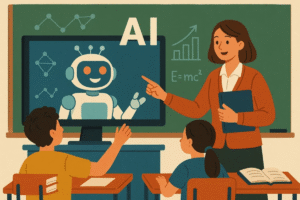
In fact, companies adopting intelligent systems need professionals capable of managing them, highlighting the importance of upskilling, continuous training, and the development of critical skills such as problem-solving and strategic thinking.
The Role of Digital Skills in the New Work Environment
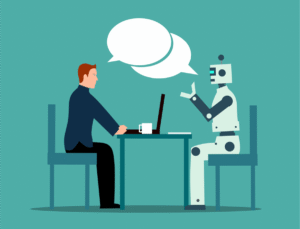
Traditional expertise is no longer sufficient to remain competitive. Those working in environments where AI is present must learn to integrate advanced tools into their workflows, avoiding the risk of being overtaken by more updated profiles. Training therefore becomes a key element, especially considering the constant evolution of technologies.
Ethical Issues and Privacy: The Hidden Side of Technology
Automation carries moral questions related to safety, data management, and responsibility for algorithm-driven decisions. Part of the debate concerns how intelligent systems should behave in critical situations, highlighting the need for ethical regulations and continuous human oversight.
Dependence on AI and the Need to Maintain Human Control
The increasing efficiency enabled by artificial intelligence must not result in total technological dependence. A malfunction could lead to serious consequences if human skills are progressively sidelined. The balance between automation and supervision is the cornerstone of operational safety.
The Opportunities Created by Artificial Intelligence
Many widespread fears overlook the fact that technology is creating a new work economy. Among the main advantages are:
- Higher productivity: by delegating repetitive tasks, professionals can focus on higher-value activities.
- Emergence of new professions: roles such as Data Scientist, Machine Learning Specialist, and experts in cybersecurity or digital transformation are increasingly in demand.
- Improved quality of work: proper use of AI helps reduce stress and workload.
- Training and reskilling: many companies are investing in strengthening internal skills through development programs.
- More informed decisions: intelligent systems support executives and managers in data analysis and strategic planning.
The Future of Work: Adaptability Is the Real Asset
The adoption of artificial intelligence is not a future possibility—it is a present reality. However, the true competitive factor will not be the technology itself, but the ability to use it wisely. Preparing, updating skills, and seizing the professional opportunities that arise is the best way to navigate change.