
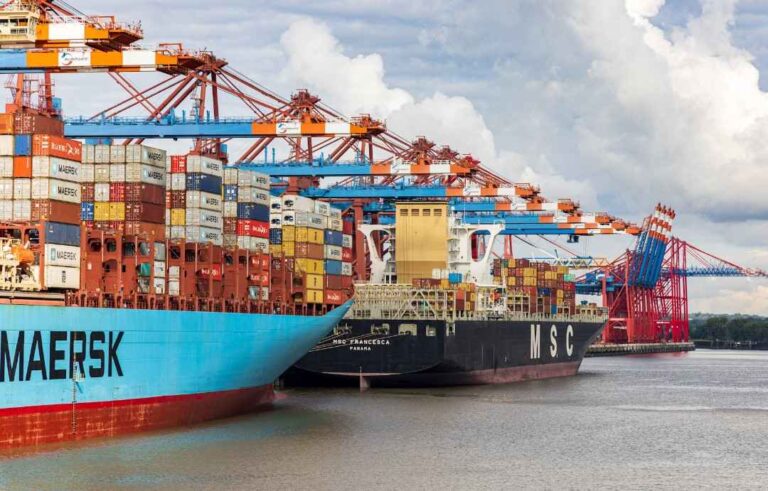
The global economy heavily relies on the export of raw materials, with several countries dominating this trade. Among the top exporters, China holds a significant position, exporting a diverse range of raw materials including rare earth metals, minerals, and agricultural products.
Following closely behind is the United States, exporting commodities like soybeans, corn, and petroleum products. Russia emerges as a key player, exporting oil, natural gas, and metals such as aluminum and nickel.
Table of Contents
The major exporters of raw material
The global economy heavily relies on the export of raw materials, with several countries dominating this trade. Among the top exporters are:
- China: exporting rare earth metals, minerals, and agricultural products
- United States: exporting commodities like soybeans, corn, and petroleum products
- Russia: exporting oil, natural gas, aluminum, and nickel
- Saudi Arabia: exporting massive quantities of oil, forming the backbone of its economy
- Australia: exporting coal, iron ore, and gold, driving its export market
- Brazil – exporting soybeans, iron ore, and beef, contributing substantially to the global supply chain
- Canada – exporting crude oil, natural gas, gold, copper, and nickel
- Indonesia – exporting coal and palm oil, playing a crucial role in global commodity markets
- Iraq – remaining a significant exporter of crude oil, despite facing challenges
- South Africa – exporting gold, platinum, and other precious metals, vital to the global mining industry
The relevance of raw material exporting countries
These countries collectively drive the global raw materials trade, influencing economic dynamics worldwide. Their export activities shape industries ranging from manufacturing to agriculture, highlighting the critical role of raw materials in sustaining modern economies.
However, challenges such as geopolitical tensions, environmental concerns, and fluctuating commodity prices continue to impact the stability of this trade, necessitating strategic planning and cooperation among nations to ensure sustainable development and equitable distribution of resources.
Read also: The 8 most traded commodities worldwide